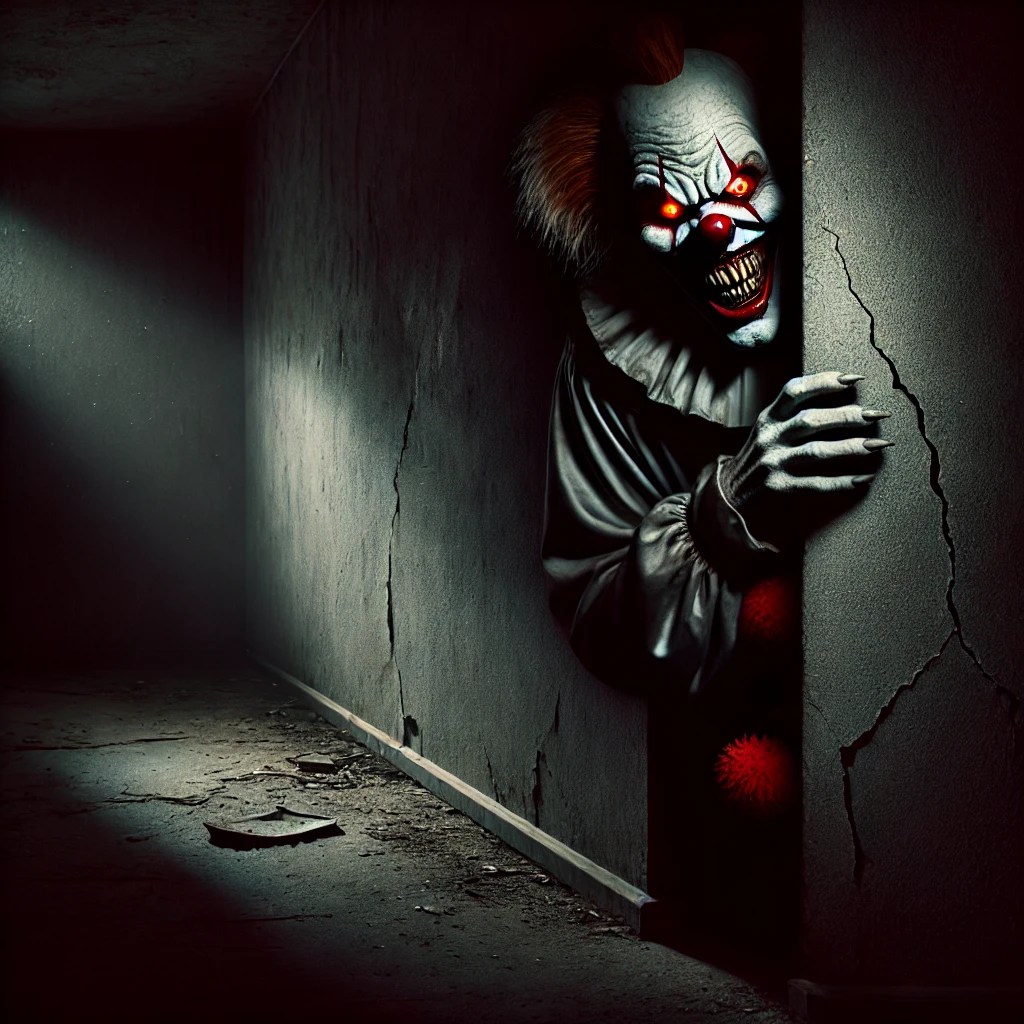
I’ve run several Mothership adventures ,and was a couple of sessions into their mega-dungeon Gradient Descent that something was missing, it just didn’t feel like horror.
.
The adventure is supposed to be run fairly randomly, but I was left wondering what makes this scary, as it felt like a string of random encounters based on a central theme. Even when I planned it out, it felt kind of dry and somewhat lifeless.
So I started scouring the Internet, and came up upon a link on Reddit that talked about horror pacing.
I haven’t tried this out yet , but I really think that’s what I’m missing. I highly recommend this piece.
The article, The Trajectory of Fear (https://nerdsonearth.com/wp-content/uploads/2020/03/Trajectory-of-Fear.pdf) divided effective horror stories, movies, and games into four stages:
- Unease- introducing elements letting the reader/ viewer/ player know they are entering into an in between place where things aren’t normal, and things are getting weird. This may mean entering a room that was recently entered but shortly afterwards is completely rearranged, hearing a telephone ring when unplugged, or being surrounded by cawing crows.
- Dread- here the audience not only knows something is wrong but that something is going to be present soon. It’s a build up from unease as the danger will soon be present. You might not know what the thing is, but you realize you better plan quickly, or else.
- Terror- here you realize that ‘thing’ is present now. You may not see it, but you know it’s here and your choices for action just got even more limited, there is little time for planning- act or else!
- Horror- the horror is revealed, you discover what it is causing the dread and terror. It is far too late to plan, do or die.
The best uses keep the audience at the first two stages for as long as possible. The horror revealed should be a climax, if not, the GM may want to create a plot device to cycle the tension back down, only to ratchet it back up.
The article contains that the actual horror is the weakest of the four elements, it’s the set up that makes the last stage effective.
Unease doesn’t have to be supernatural, that noise could be just alley cats knocking over garbage can lids. And just when the players relax then BOOM!, it’s time to get that adrenaline pumping again.
Jumping straight into the horror is like a joke without a set-up, it can too often fall flat. I was going straight to four which felt like a 5E encounter, there was no tension or dread at all.
I’m writing these into my next session and have watched a few players that really do this effectively. I’m also watching movies or TV show shows differently, critically analyzing what works and what doesn’t- why are they scary or why aren’t they scary?
You probably know these things already , but if not, I highly suggest that you read this article and start putting these elements into your games. Sometimes even the most experienced DMs/GMs forget about the basics.
 Realm-Weavers
Leave a comment